













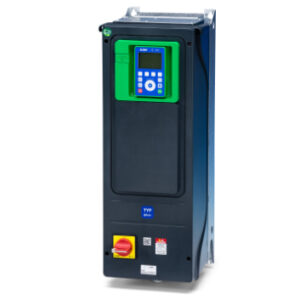

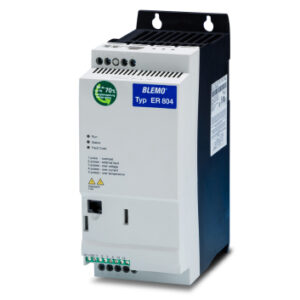
400V Frequency Inverter – Efficient, Precise, and Reliable Drive Technology
A 400V frequency inverter is an electronic device that converts a fixed mains frequency (e.g. 50 Hz) into a variable frequency to control electric motors based on demand. In modern drive systems and industrial automation, it enables precise motor control and energy-efficient operation of machines and systems. This technology is also gaining importance in mechanical engineering, as it allows for flexible adjustment of drive performance, thereby optimizing processes.
Precise Motor Control and Smooth Start-Up
A frequency inverter allows for precise speed control of the motor, which means motor output can be adjusted exactly to the application’s needs – from low-speed movements to full rated speed. It also enables smooth motor start-up: instead of starting abruptly at full power, the motor ramps up gradually. This protects mechanical components and avoids high inrush currents that can cause disturbances in the power supply. Controlled deceleration is also possible, reducing wear and increasing operational safety.
Energy-Efficient Operation Through Speed Control
Speed regulation via a frequency inverter leads to energy-efficient motor operation. Instead of running motors at full speed at all times, the motor speed can be adjusted to match actual demand.
This is particularly beneficial for fans and pumps. These are often operated with mechanical throttles like dampers or valves, while the motor still runs at 100%. With a frequency inverter, fan and pump speed can be directly increased or decreased – enabling significant energy savings.
Even a moderate reduction in speed can substantially lower power consumption and operating costs. In addition, less waste heat is generated, which protects components and extends the overall system lifespan.
Reducing Electrical Disturbances in the Power Grid
Another major benefit of frequency inverters is the relief they provide to the power grid. When motors are started directly without an inverter, they draw high inrush currents, which can cause voltage drops and disturbances in the electrical system.
A 400V frequency inverter eliminates this issue by providing a soft start. The motor ramps up gradually, greatly reducing peak loads on the grid.
Modern inverters can also compensate for minor voltage fluctuations. Thanks to fast electronic control, motor speed remains largely stable even during small voltage drops – ensuring uninterrupted operation. This contributes to higher grid stability and improved system availability.
Applications in Industrial Automation and Material Handling
The advantages of frequency inverters make them widely applicable across industries. Industrial automation processes become more flexible as motors can be controlled electronically and speeds adjusted dynamically to meet changing process demands.
In material handling, a 400V frequency inverter can, for example, control conveyor belts with variable speed. This allows delicate goods to be moved gently at low speeds, and throughput increased when needed. Multiple drives can also be synchronized and started or stopped smoothly, reducing mechanical stress and increasing system safety.
In mechanical and plant engineering, integrating frequency inverters is now considered standard to enable automated operations and precisely control systems based on production needs.
Conclusion: Energy-Efficient and Reliable Operation with Frequency Inverters
400V frequency inverters offer numerous benefits – from precise motor control and energy savings to increased system reliability. They are now indispensable in many areas of industry and mechanical engineering. Their use helps optimize processes, lower operating costs, and support environmental sustainability.
If you’re considering equipping your systems with frequency inverters or have questions about specific applications, our team is here to help. Take advantage of this technology to make your operations more efficient and future-ready.